



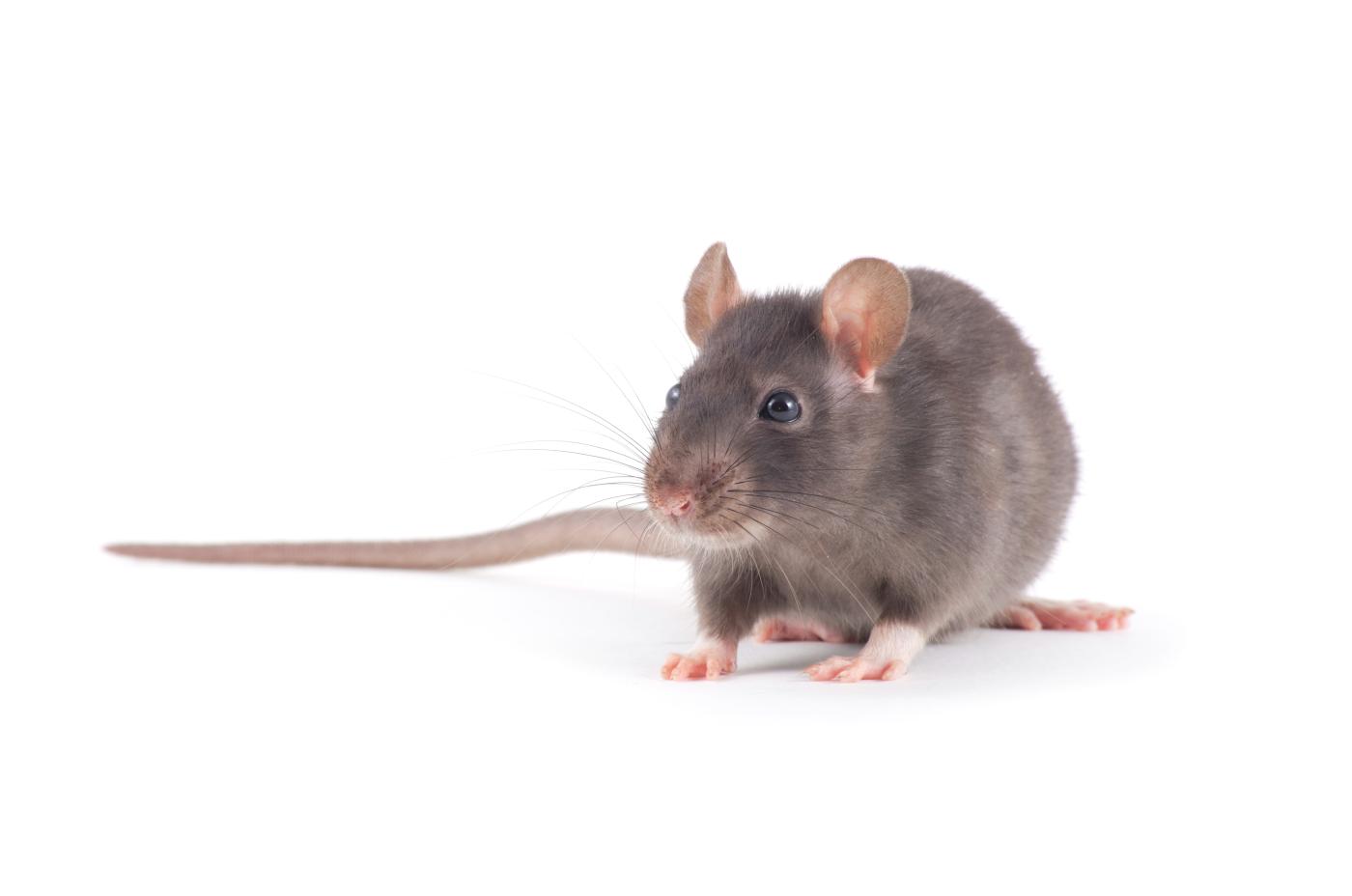
Rodents are Carriers
of
Serious Diseases
Call a professional to ensure your peace of mind

Servicing Brisbane, Gold Coast, Sunshine Coast, Redlands, Moreton Bay and Surrounding Areas



Proven Rodent Control and Prevention Solutions in Brisbane
The team at Bob Gunn Termite Solutions is trained, experienced, and licensed to advise on the best method for eradicating rodents, and will offer a prevention solution that suits each individual circumstance.
Call us on 07 3286 9877 to make an appointment today!
3 Easy Steps to Get Your Home Treated for Rodents
CONTACT
Contact us and our team will get back to you as soon as possible.
ASSESSMENT
We will discuss with you your rodent problem and provide quote and recommendations.
MANAGEMENT
Our expert technicians will place lockable baited stations in areas where necessary.
More about rodents
Within the Greater Brisbane area there are seven species of native rodents and three introduced species. The House Mouse, Sewer Rat and Ship Rat have been introduced into Australia over time, principally in ships’ cargo. It is thought that all three originated in China or South East Asia.
The native rodents are protected but because they look similar to the introduced species, positive identification from a distance can be difficult.

Characteristics
All three introduced rodents have a pair of long, yellow incisors at the tip of the mouth on both the upper and lower jaw. This is the only way to distinguish them from the protected native rodents. The House Mouse is usually olive-brown with a strong, musky scent. The Ship Rat can vary in colour from black through to white but is generally steel-grey with a white underbelly and quite a long tail. The Sewer Rate has shaggy fur and is coloured similar to the Ship Rat although generally is brown on the back with a dirty white underbelly and a short, thick tail.
Life Stages
Rodents are born blind and hairless. The gestation period for a House Mouse is 18-21 days and they reach sexual maturity in 35 days. The gestation period for a rat is 22 to 25 days. Once they have given birth, the females go on heat again within 24 hours.
Habitat
- House Mouse – will range anywhere and everywhere.
- Ship Rat – anywhere around human habitation – often found in ceilings, veranda’s, fowl houses, dumps and degraded habitats.
- Sewer Rat – anywhere around human habitation especially around ports – docks, wharves, tunnels, drains and sewers.
Sustenance
All three will eat grains, seeds and food scraps which is why they thrive near human habitation. Sewer rats prefer meat such as insects, prawns, birds, mice as well as scraps.
Detrimental effects to humans and property
All three leave droppings in large quantities contaminate food with urine, hair, and feces, and spread serious diseases such as salmonella and typhus. All have gnawing habits that damage timber in buildings, furniture, and books and have been known to chew through electrical cables, causing damage and starting fires.
Eradication/Control Mechanism
Removing food and shelter are top of the list for control mechanisms. Keeping the environment both inside and outside buildings clean and free of rubbish and food sources like household scraps, and making sure all stored food is inaccessible will remove the food source. Getting rid of old boxes, unused furniture pieces and anything else that will provide shelter is also important for control and prevention.
When there is an infestation, stronger measures are called for. Trapping and chemical control are just two of the weapons in the exterminator’s arsenal. The team at Bob Gunn Termite Solutions is trained, experienced, and licensed to advise on the best method for eradicating rodents, and will offer a prevention solution that suits each individual circumstance.
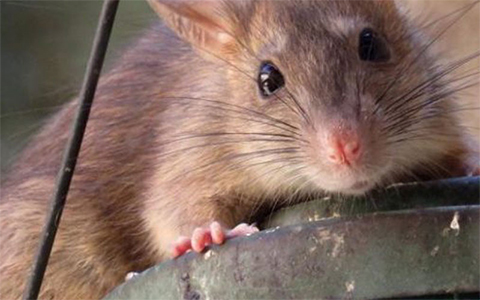
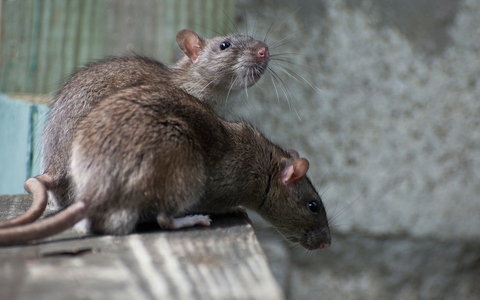

SERVICE COVERAGE FOR RODENT CONTROL
Rats
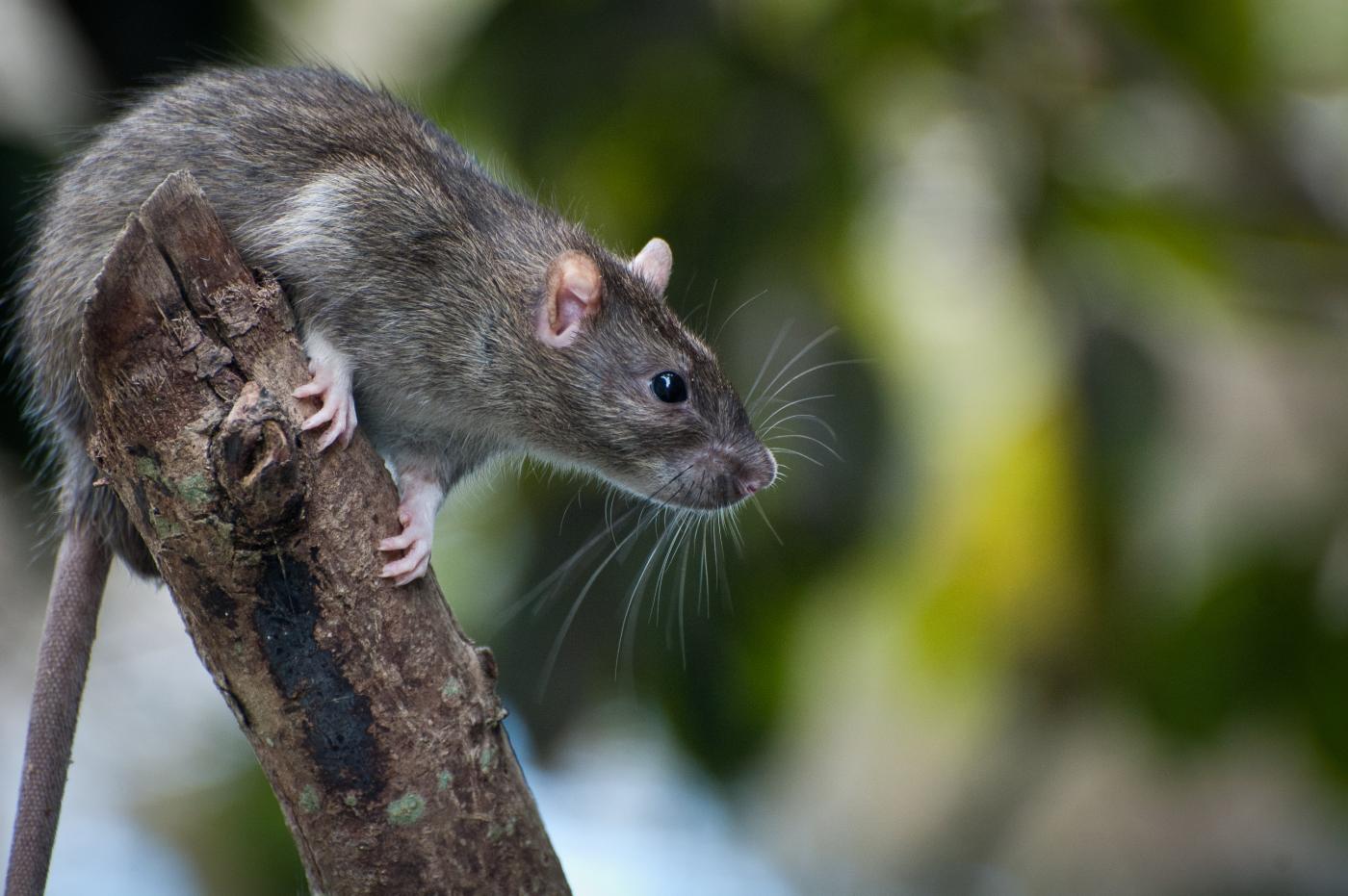
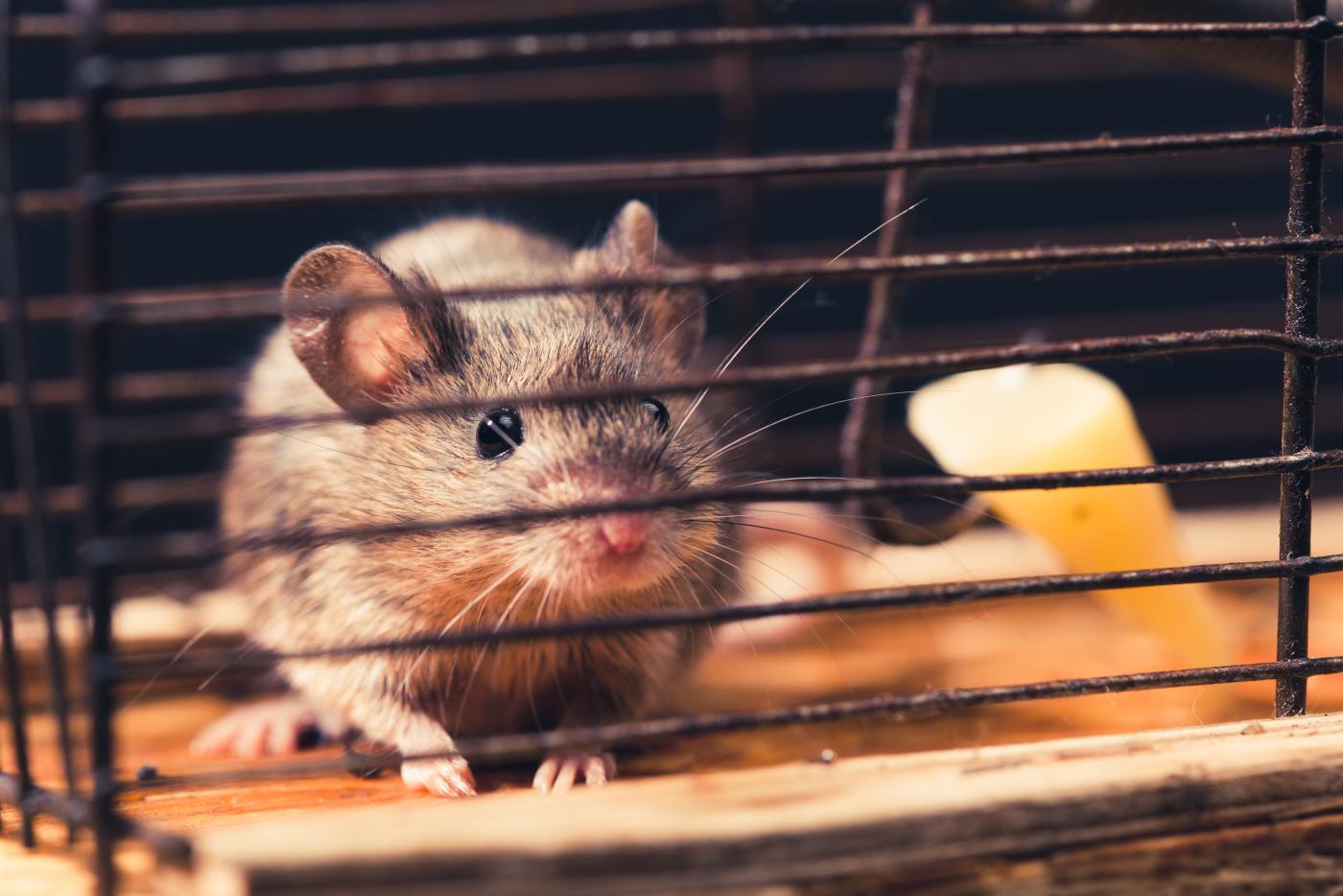
Mice
Rodent proof your home with treatments that work
Frequently Asked Questions
Are you able to provide rodent control for cars engines?
We do not provide rodent treatment for cars. However, we can provide rodent treatment for residential and commercial properties to reduce the risk of rodents nesting in your car.
What is the cost of rodent treatment?
The cost of a rodent treatment will be $160.
How does rodent treatment work?
Our technician will be placing a few lockable baited stations in areas where necessary.
Do you remove possums?
Sadly, we do not remove possums, but we can recommend Peter the Possum Man.
Are rats and mice the same?
Although most people confuse one from the other, rats and mice are different pests.
How to tell if I am dealing with rats or mice?
The easiest way to tell rats from mice is by their size. Rats are generally bigger measuring about 3 to 4 inches long.
You will also be able to tell whether you have rats or mice based on the droppings that you find. Mice droppings are more like tiny grains of rice and rate droppings are much bigger.
Are rodents threatening?
Rodents can carry mange diseases and can also cause considerable property damage by chewing through wirings in the house, car engines and other places.
Can soda really kill rats?
It is nothing but a common urban legend. There wouldn’t be enough carbonation to affect a rodent. Using soda is not a recommended strategy because not only does it not work, but it may even attract rodents into your home.
Are rodents only active during at night?
Rats and mice are more active when there is less danger. In many cases, that is at night, but they can still be active during daylight hours as well to secure food and shelter. Regardless of the time, their eyes and ears are always alert to the slightest sounds or movements.
Are cheese traps effective for rats and mouse?
It is commonly depicted in the media as an effective way to catch and kill off rodents, however, there is not much evidence to support the effectivity of cheese traps. Rats are often smarter in real life and can recognise a trap and are more attracted to sugary food like cereals.
Do rats really like cheese?
Rats liking cheese a lot more than any other food is a myth. Rats enjoy cheese like they enjoy other food types. So, it is not mainly just cheese that they like to munch on.