


What does a silverfish look like? How destructive are they? In this article, we will be discussing silverfish, what they look like, the harm they pose to homes and the ways to get rid of them.
Silverfish is one of the oldest insects in the world, tracing their origins from as far as millions of years ago. They have survived for such a long time because of their ability to survive in virtually all types of environments.
How can you recognise silverfish? Can they cause harm? How do you address silverfish infestation in your home? These questions and more will be answered in this article.
How Does Silverfish Look?
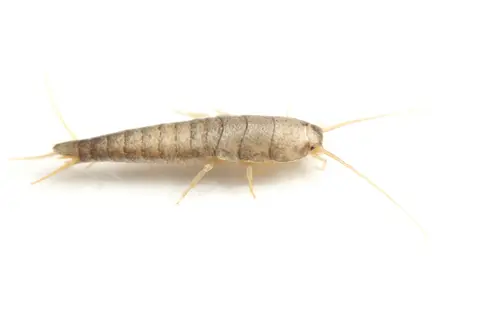
Their name originated from its shape, which is similar to a fish, and the colour of its scale, which is silver or metallic brown. They have long bodies, usually 12-19 millimetres, six legs and two antennaes.
These nocturnal insects are also known by the name of bristletails because of the three ling bristles at the end of their tails.
What Do Silverfish Feed On?
The food sources of silverfish are various materials, particularly those rich in proteins such as grains, vegetables, fibres, sugars and fabrics. They also love cereals and pet food.
If you have a collection of books, vintage clothing or antique furniture, they are at high risk of damage from silverfish. This is because silverfish love paper, glue, silk and other textiles. While feeding on these objects, silverfish cause damage in many ways:
- They leave dark stains and small holes in the items they eat
- They leave light grey spots when their jaws scraped across surfaces
- They cause mould growth, which leaves dark brown stains on items with silverfish damage.
It is important to know the diet of silverfish as it will determine where they would be most likely found.
What Harm Can Silverfish Cause?
Humans. Silverfish don’t bite or carry pathogens, so they are not harmful to humans. The misconception that silverfish cause harm to people probably came from their strange appearance – a carrot-shaped body in a metallic colour with three long, thin, tail-like appendages that protrude from their tail.
Pets. They may look frightening, but silverfish are not harmful if accidentally ingested by your pet. However, pet owners should still allow their dog or cat to eat silverfish. In general, silverfish are considered as pests not because of the harm they can cause on humans or animals, but because of the damage they can do on personal belongings.
How to Get Rid of Silverfish
If you’re dealing with silverfish in your home, don’t worry — there are several simple and effective methods to get rid of them using common household items and products found at home improvement stores.
7 Effective Ways to Get Rid of Silverfish Naturally
DIY Silverfish Trap with a Glass Jar
Place something starchy (like bread or cereal) inside a glass jar, then wrap the outside of the jar with tape. The tape gives silverfish the grip they need to climb in, but once inside, the smooth glass prevents them from climbing back out.
2. Wet Newspaper Trap
Roll up a newspaper and dampen it slightly. Silverfish are attracted to the moisture and paper, so they’ll crawl inside and settle in. After a couple of days, simply toss out the newspaper or burn it to eliminate the pests hiding inside.
3. Use Sticky Traps
Set up sticky traps in areas where you’ve noticed silverfish activity. These traps are easy to use and will catch any silverfish that wander across them.
4. Apply Silverfish Poison (With Caution)
You can use small amounts of silverfish poison to target infestations. However, avoid this method if you have pets or young children, as the poison could be harmful if touched or ingested.
5. Repel Them with Cedar Oil
Silverfish dislike the strong scent of cedar. Use cedar oil in a diffuser or mix a few drops with water in a spray bottle to apply around baseboards, closets, and other problem areas.
6. Scatter Bay Leaves Around the House
The natural oils in dried bay leaves repel silverfish and other insects. Place a few leaves in cupboards, drawers, and corners of rooms to help keep them away.
7 Effective Ways to Eliminate Silverfish
Silverfish may be small, but they can be a real nuisance in your home. Fortunately, there are several effective methods to get rid of them using everyday items or tools found at most home improvement stores.
To get rid of silverfish once and for all, you can use two methods: Poison or Traps.
Silverfish can be managed using poisonous pest control methods such as foggers, bombs and targeted sprats. These products are not safe for kids, pets and occupants of your household, so use it safely and occasionally.
Store-bough traps like poison should be used carefully and should never be applied in areas where children or pets are present.
All these preventive measures are effective. But if you’re still worried about silverfish in your home, or you suspect a silverfish infestation in your home, it’s best to call for professional assistance from pest control experts.
Call your local pest control company if you have or suspect you have a pest problem or would like to know more about how to protect your home from pest infestation.
Need pest control services? Call our team of professionals today!
Need pest inspection & management services for your home and commercial properties?
8 Bugs that Look Life Silverfish but Aren’t
Silverfish may be common in homes, but surprisingly a lot of people often confuse them with other bugs. Here are 8 bugs that look similar to silverfish.
- Firebrats. It looks similar the most to silverfish. They have carrot-shaped bodoes with colours ranging from grey to brown, with dark stops along the body. What distinguishes them from silverfish is their preference for heat and high humidity. Their name originated from their fire-proof legs, allowing them to crawl on boilers, furnaces and pipes.
- Millipedes. Like silverfish, millipedes love moist places, heat and humidity. But they differ in appearance. They have very long, tubular, and segmented bodies, with each segment having two pairs of legs.
- Jumping Bristletails. They look a lot like silverfish because silverfish are a subspecies of bristletails. They got their name from their ability jump high. Jumping bristletails are bigger but agile legs, and are longer and bigger than silverfish. They are more commonly found outdoors compared to their silverfish cousins.
- Earwigs. They have reddish-brown bodies that can growth into a maximum of 25mm. Their main difference with silverfish would be their wings and their two appendages. But in all other aspects, earwigs are similar to silverfish.
- Centipedes. Silverfish and centipedes appear the same from afar. But on closer look, centipedes have more 30 legs. Centipedes are prey on silverfish, ants and cockroaches.
- Carpet Beetle Larvae. This bug has many species and each varies in terms of their colour patterns, so in terms of appearance, they don’t look anything like silverfish. But in terms of habits, they share some similarities. Carpet beetle larvae are not as fast as silverfish, but they can easily affix themselves on clothes, wool, feathers and furry items like silverfish. Both pests love moist and damp places.
- Isopods. These are a group of different bug-like species including roly-polies, pill bugs, snow bugs and army bugs. They are terrestrial crustaceans that have the same habitat and colour as silverfish.
- Woodlice/Booklice. Woodlice are found outdoors and wood, while booklice are found in old books and study rooms. They are gray in colour, which is why they are oftentimes mistaken for silverfish. Woodlice/booklice have a long, shelled and ovate body, large, hard antennae and more legs.
Where Do Silverfish Like to Hide
Silverfish prefer to settle in secured areas such as behind furniture, damp basements and bookshelves. They hide their eggs in dark, moist, secluded parts of the homes. Their eggs are shaped like a bulk and are either yellow or white.